The D10 (ten-sided die)
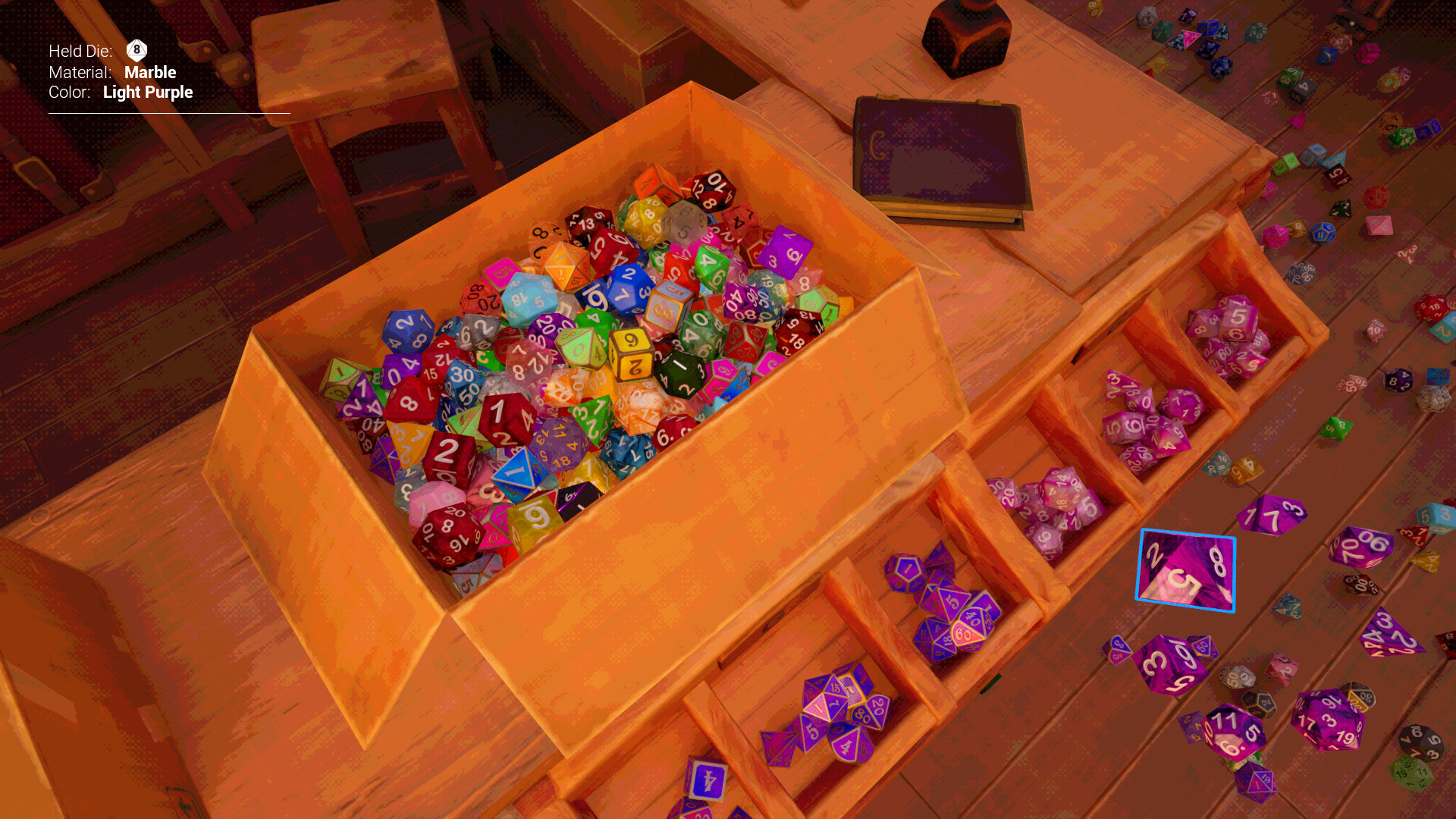
The d10 is a pentagonal trapezohedron with ten kite-shaped faces, usually numbered zero through nine, and it is the one die in the set that is not a Platonic solid. Its most important job in a seven-piece set is not itself but its partner: two ten-sided dice rolled together produce the percentile roll, ten digit and units digit, which is why a complete set is described as seven pieces rather than six shapes.
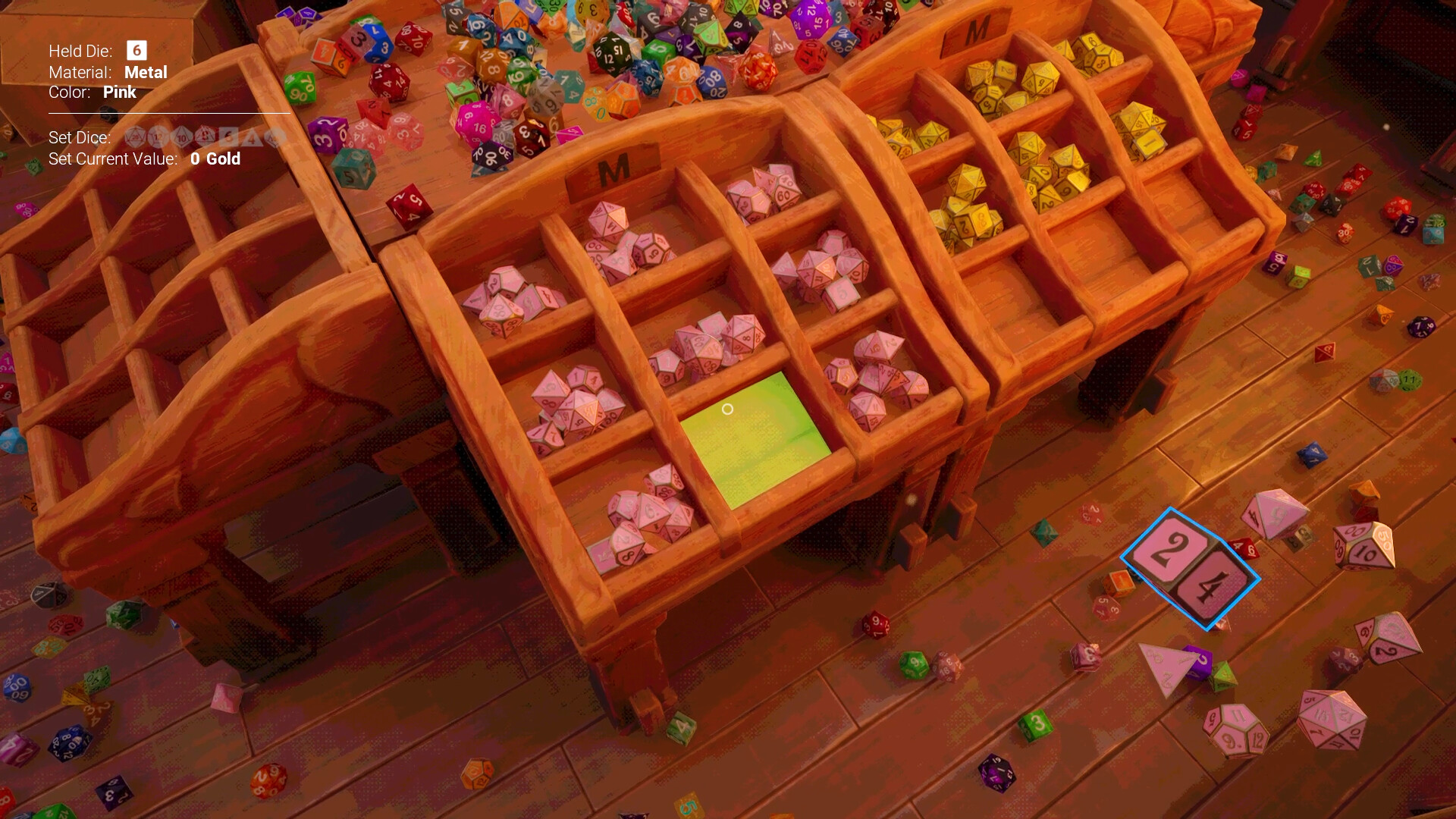
That partnership is where sorting gets subtle. A d10 and a percentile die look almost identical at a glance — both ten-sided, both often the same colour — so the reliable tell is the number printed on the faces. The units die runs zero to nine; the percentile die wears the tens, stepping up in tens. When you are placing a set, keep the two tens dice together and treat them as a pair that should not be split across shelves.
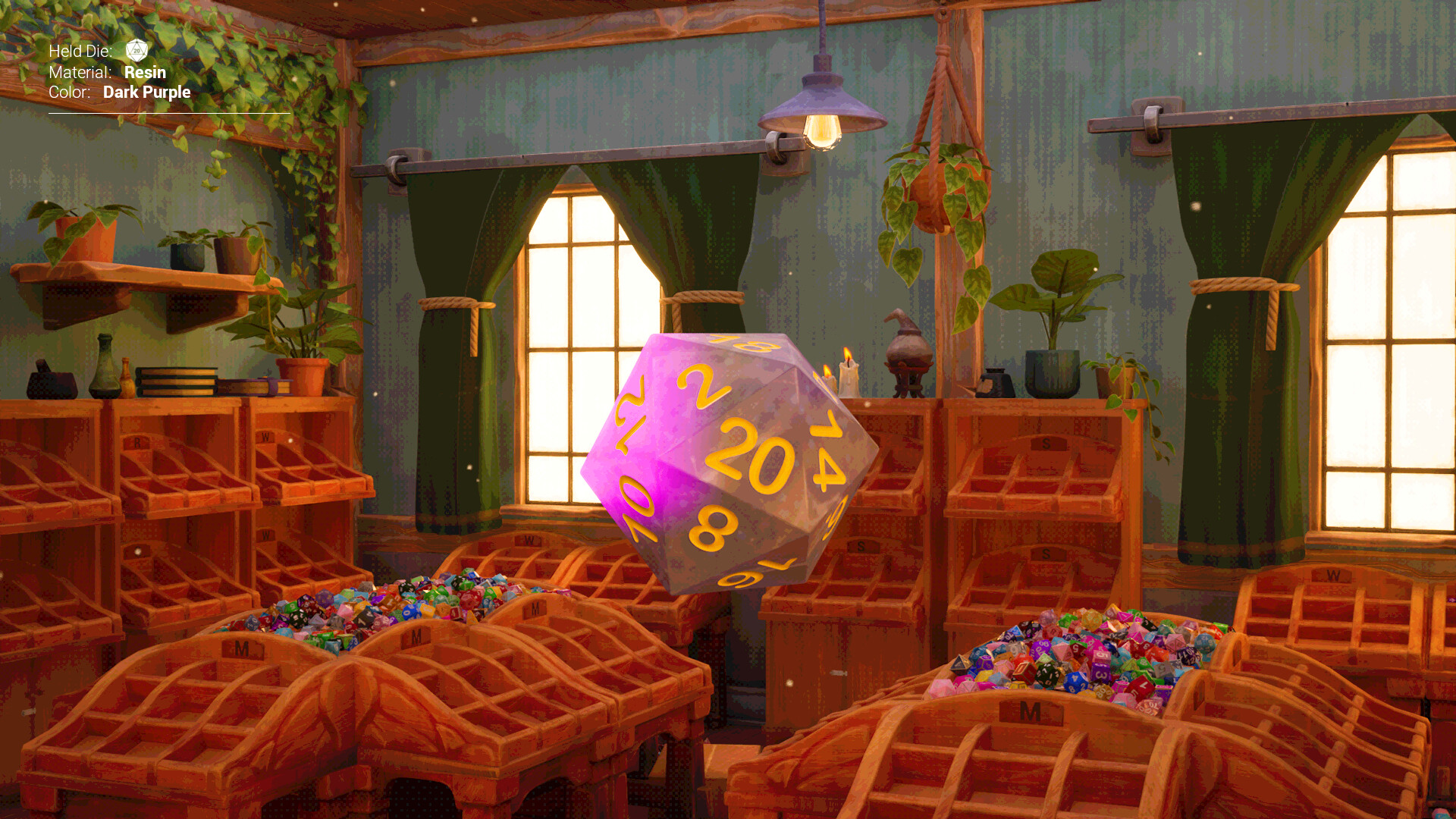
Because the d10 is a tapered shape, it also rolls further than a cube when it lands, which is one reason a set can look complete on the shelf while missing a piece that skittered away. Scan the floor under the shelves for ten-sided dice before you assume a set is finished, and match the material as carefully as the colour.
How it fits the shop
This entry is part of the dice sets section of the guide. A d10 carries digits zero through nine. Two d10s together make the percentile d%: one for tens, one for units. Keeping a matching pair together makes a set feel complete rather than patched.
The faces in a complete set
The D10 (ten-sided die) belongs to a complete seven-piece RPG set. A full set once holds d%, d4, d6, d8, d10, d12, d20.
Where this comes from
Source · tier 1
“Each set needs one of every classic polyhedral die: a percentile die, D4, D6, D8, D10, D12, and D20.”
Source · tier 2
“The ten-sided die is usually numbered 0 through 9, though the 0 can also be read as a 10. Two dice are rolled together to generate the digits of a percentile number, known as d100 or d%, reading from 1 to 100.”
Verified 2026-11-09 · pre-release build — facts may change after launch.