The D20 (twenty-sided die)
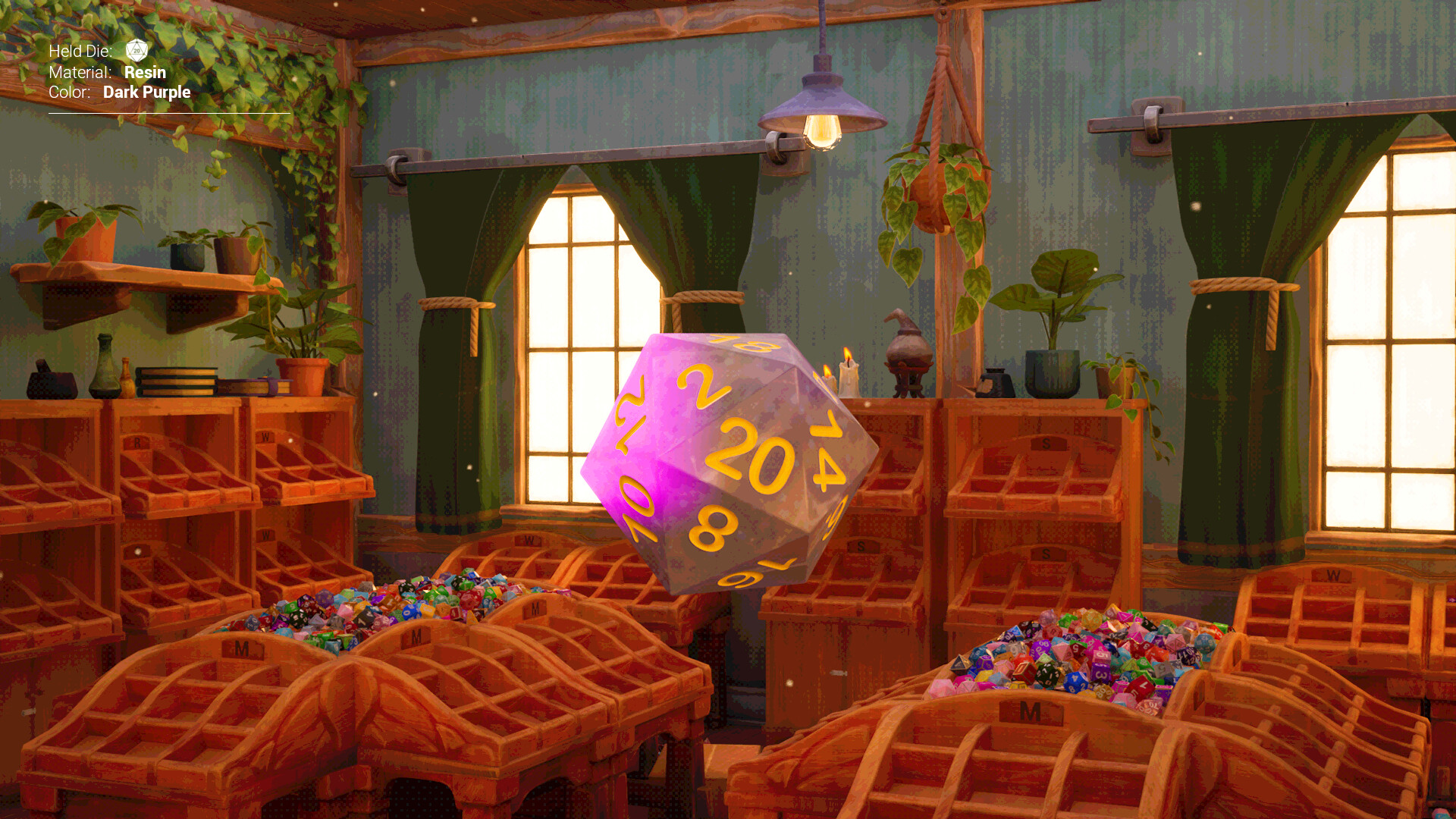
The d20 is the icosahedron and the loudest, most recognisable die in the hoard — twenty triangular faces, the die players reach for first and the one a sorting game can lean on as the face of a set. Because it is the icon of tabletop roleplaying, spotting one is easy; the risk is assuming that easy-to-spot means easy-to-place, when the d20 still has to match the colour and material of its exact set.
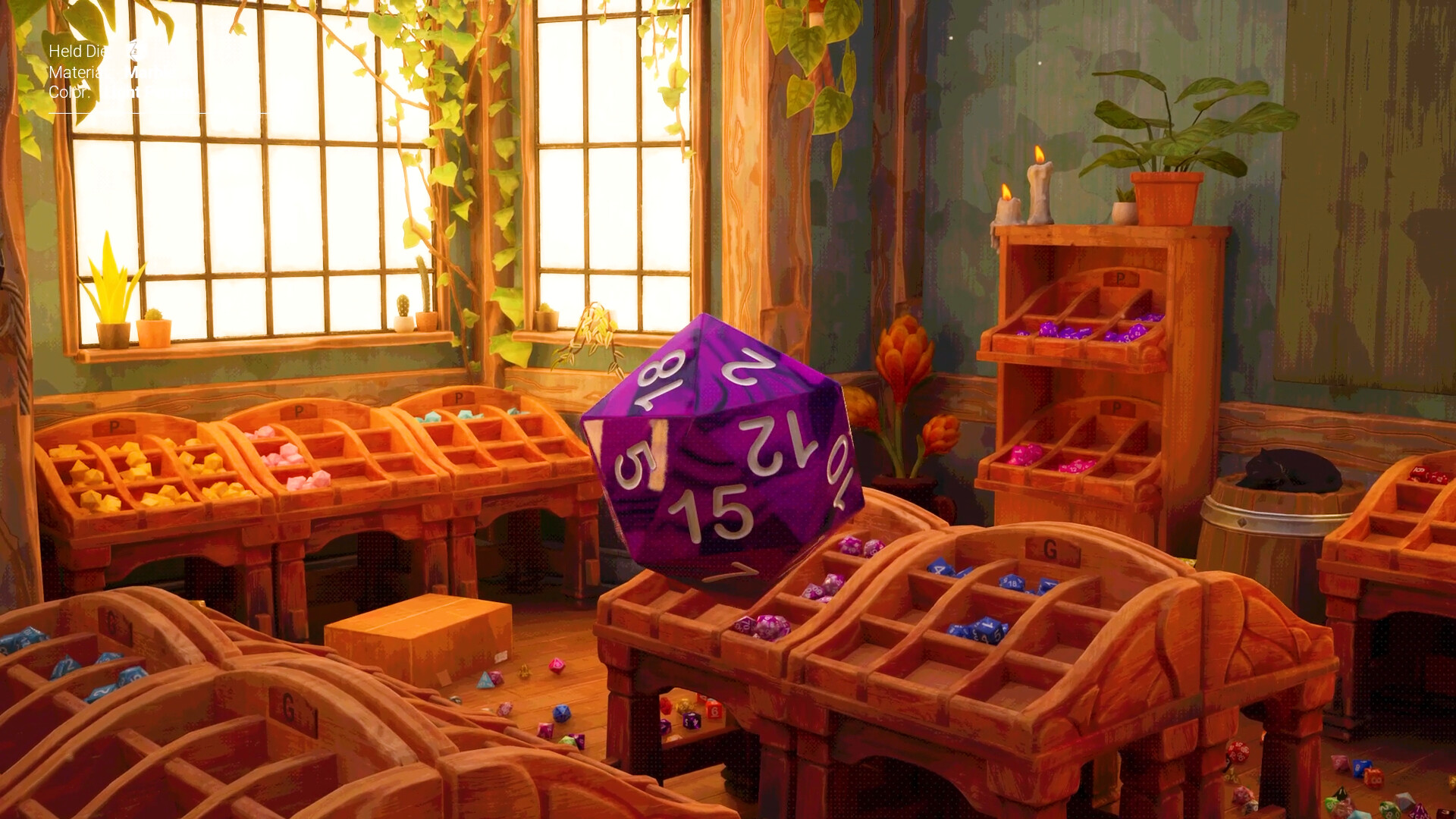
In practice the d20 is a tracker. When a set is nearly complete, the big twenty-sided die is usually the piece you can find fastest in a scattered pile, so use it to anchor the group: pick up the d20, read its colour and finish, and let it define the set you are rebuilding. Everything else is matched against that reference.
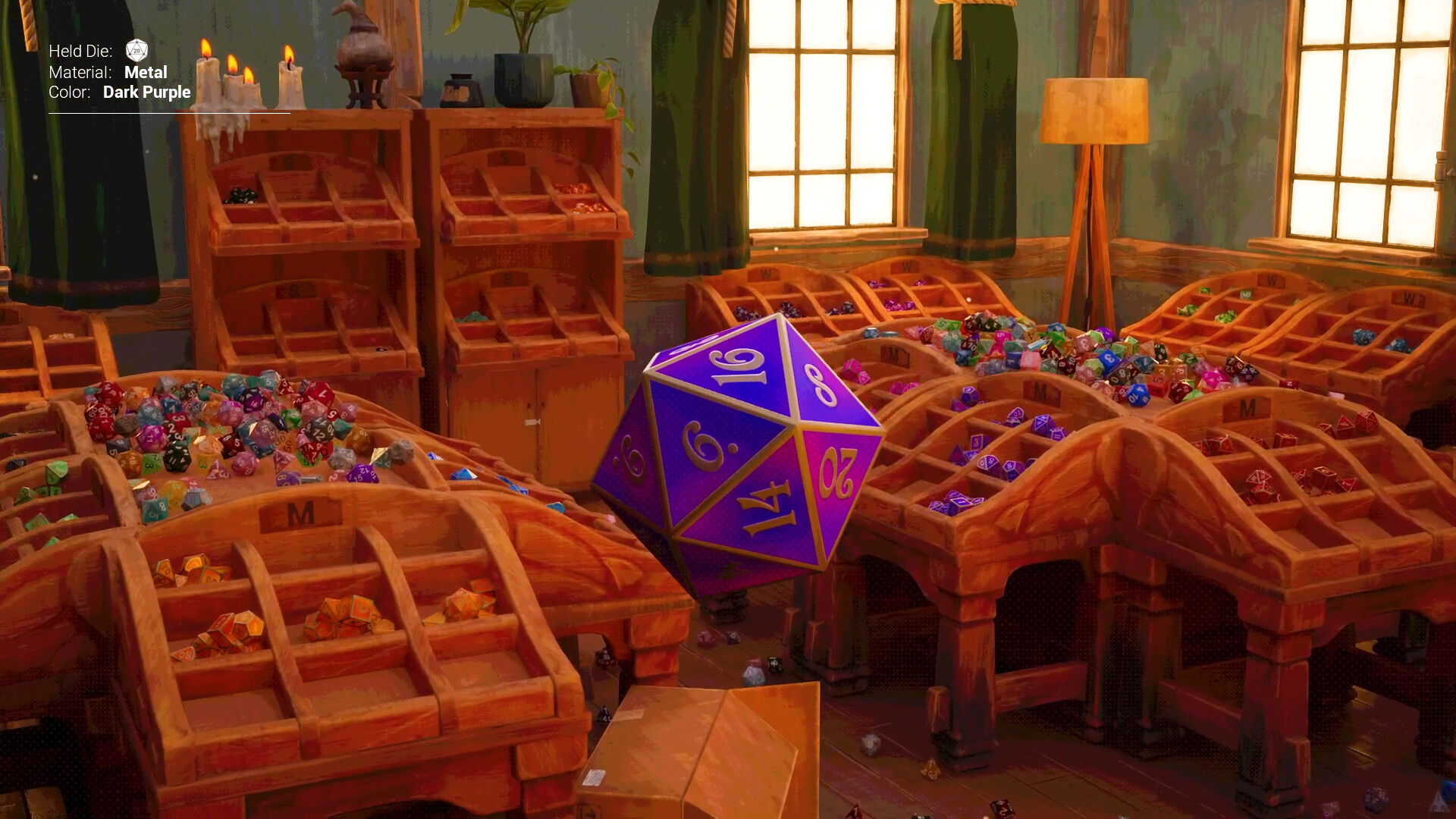
A stray d20 on a shelf of loose dice is worth more than its single point of set value, because it is a visible clue to where a partially sorted set lives. Stock the icosahedra early and the rest of the shop becomes easier to read — the display stops looking like chaos and starts looking like sets with a few pieces still missing.
How it fits the shop
This entry is part of the dice sets section of the guide. Every polyhedral set leans on its d20, the twenty-sided icosahedron that is the loudest, roundest, most-liked die in the tray. It is the piece to track first when a set is nearly complete.
The faces in a complete set
The D20 (twenty-sided die) belongs to a complete seven-piece RPG set. A full set once holds d%, d4, d6, d8, d10, d12, d20.
Where this comes from
Source · tier 1
“Each set needs one of every classic polyhedral die: a percentile die, D4, D6, D8, D10, D12, and D20.”
Source · tier 2
“The twenty-sided die is a regular icosahedron, with equilateral triangular faces.”
Verified 2026-11-09 · pre-release build — facts may change after launch.