The D8 (eight-sided die)
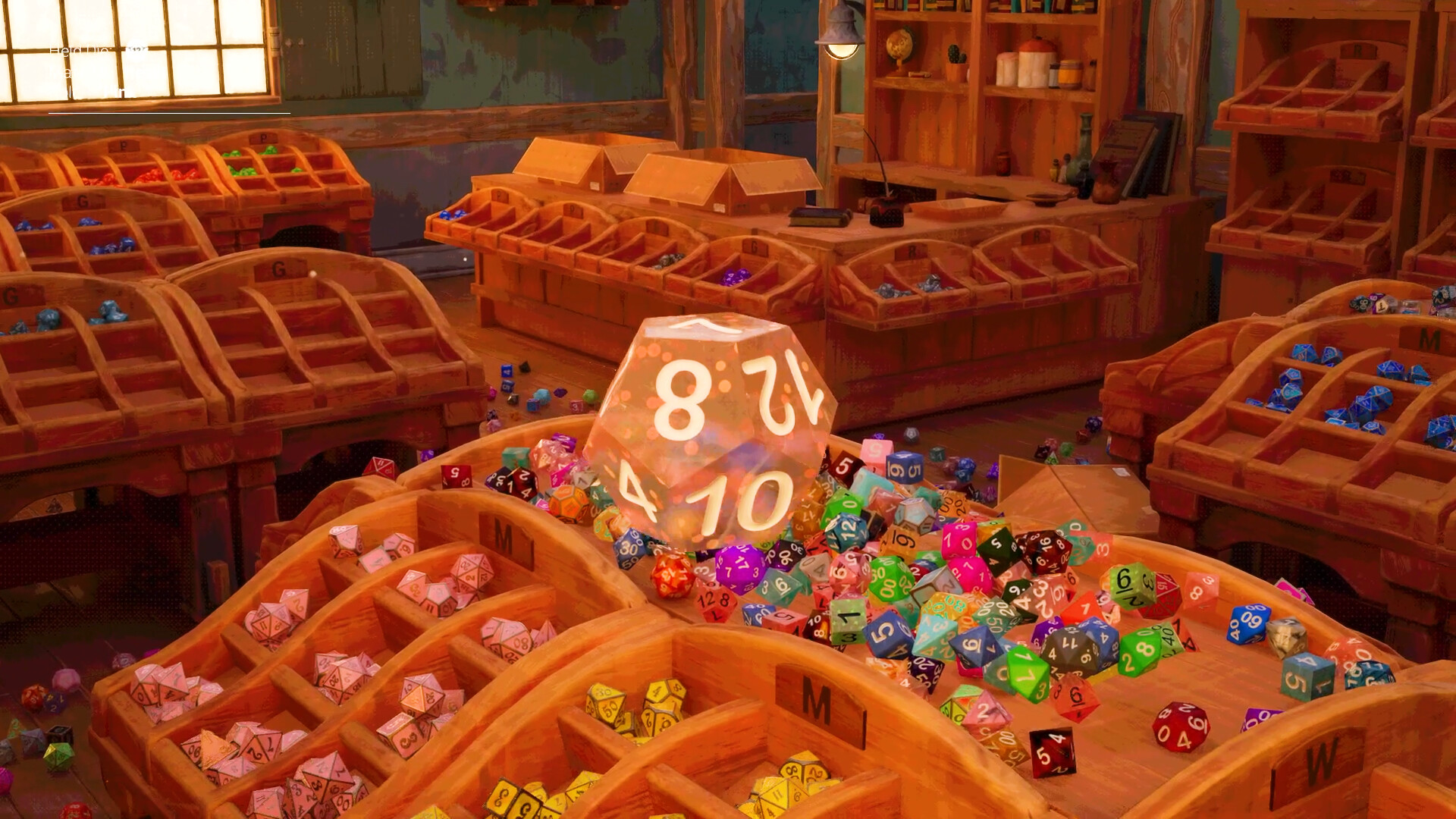
The d8 is the octahedron — two square pyramids joined base to base — and its double-pointed profile is the reason it pairs so naturally with the d10. Both read as "sharp" shapes next to the rounder d12 and d20, so when you are scanning a shelf at speed they tend to blur together. A d8 sitting one slot away from a d10 of the same colour is a common mis-stock, and it is worth checking the count before you move on.
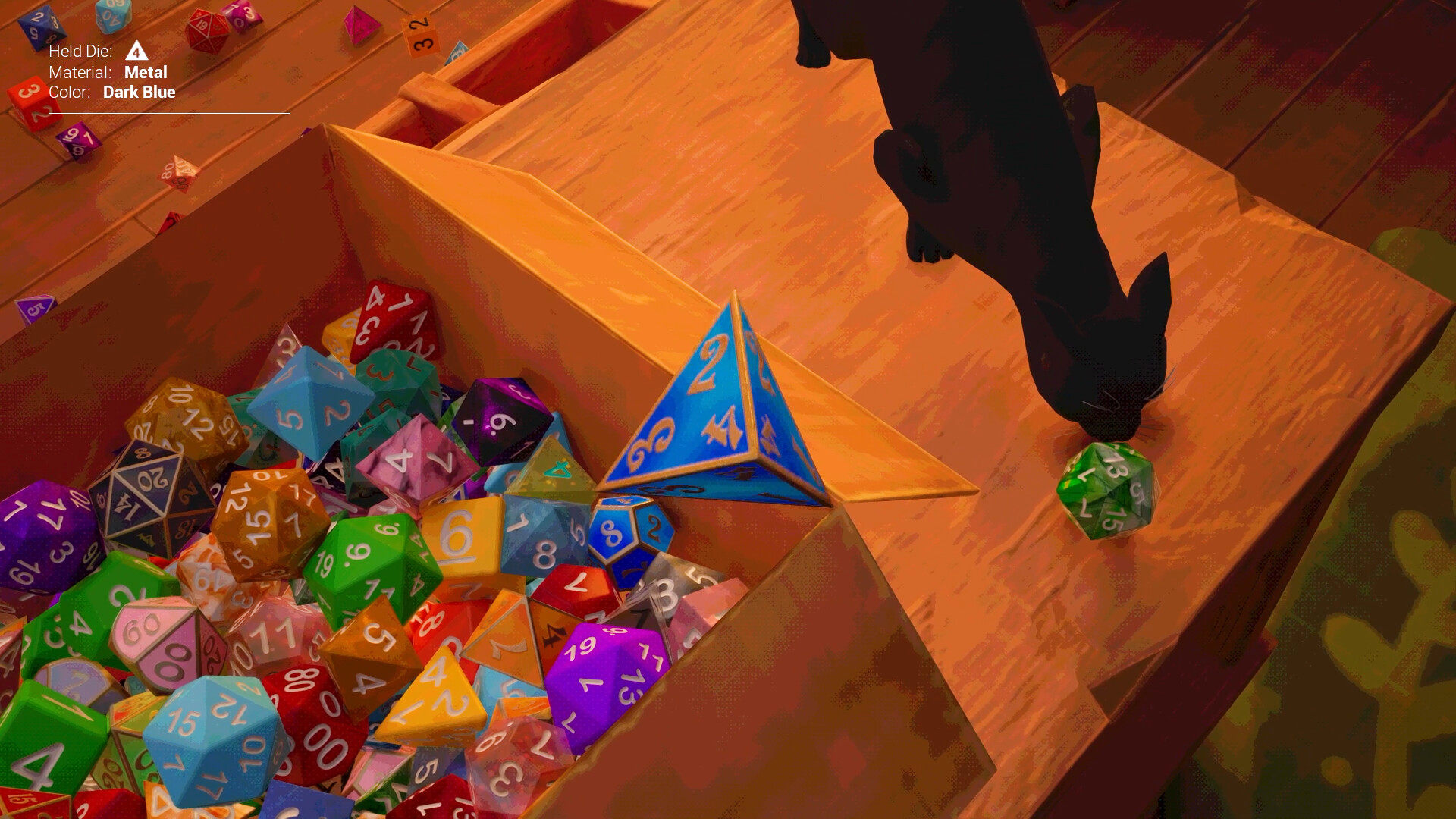
Because every complete set needs one d8 and one d10, the two are effectively a pair within the pair. If a set has its cube, its tetrahedron and its big d20 but is missing both the octahedron and the ten-sided die, that is usually one loose cluster on the floor rather than two separate problems. Sweep for the colour once and you often recover both in the same pass.
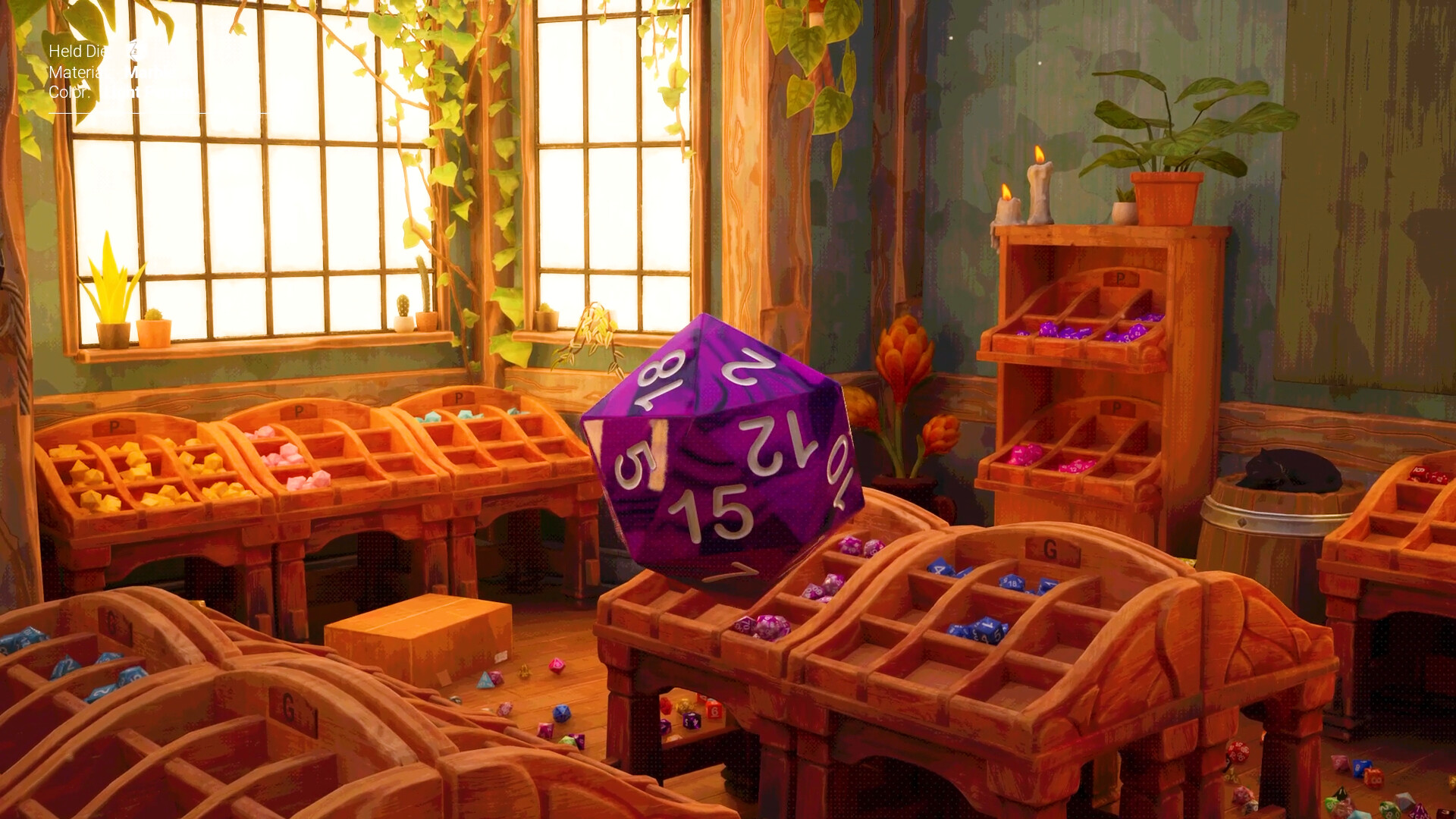
The d8 rarely gets the attention of the d20, but it carries a structural role: it is the middle of the curve. Losing it is easy and closing a set without it is impossible, so the practical move is to count eight-sided dice alongside their colour groups rather than as individuals.
How it fits the shop
This entry is part of the dice sets section of the guide. The d8 reads as a sharp, angular shape among rounder cubes. It is a common color-matched pair with the d10, so checking both before you stock keeps a set contiguous.
The faces in a complete set
The D8 (eight-sided die) belongs to a complete seven-piece RPG set. A full set once holds d%, d4, d6, d8, d10, d12, d20.
Where this comes from
Source · tier 1
“Each set needs one of every classic polyhedral die: a percentile die, D4, D6, D8, D10, D12, and D20.”
Source · tier 2
“Each face is triangular and the die resembles two square pyramids attached base-to-base.”
Verified 2026-11-09 · pre-release build — facts may change after launch.