The Complete Seven-Piece Set
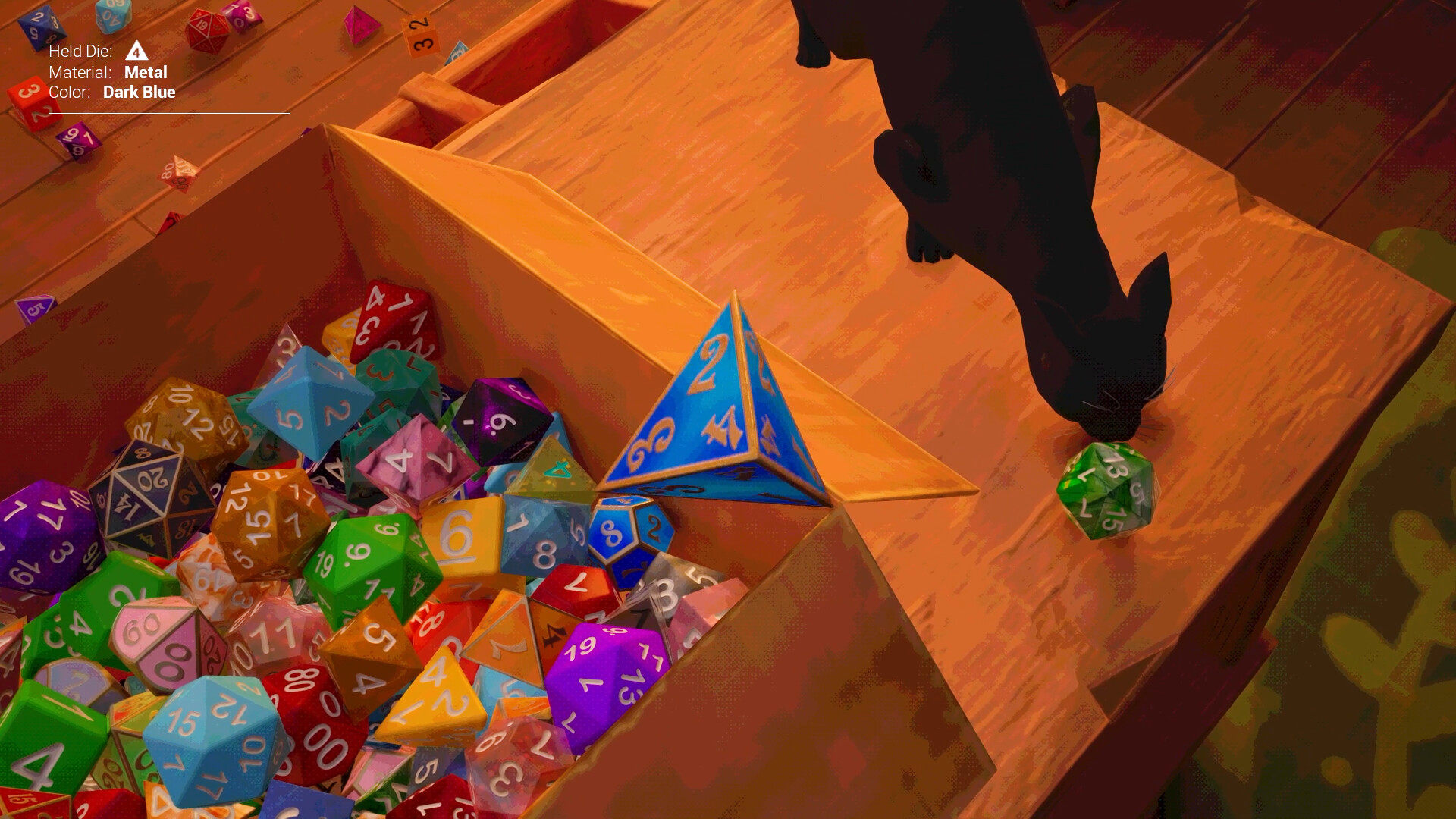
A seven-piece set is the unit the entire game is built around. It holds one of every classic polyhedral die — a percentile die, a D4, D6, D8, D10, D12 and D20 — and no set is finished until all seven are present, matched in colour and material, and stocked where the shop wants them. Reading that sentence is easy; executing it across a hoard of thousands of loose dice is the whole game.
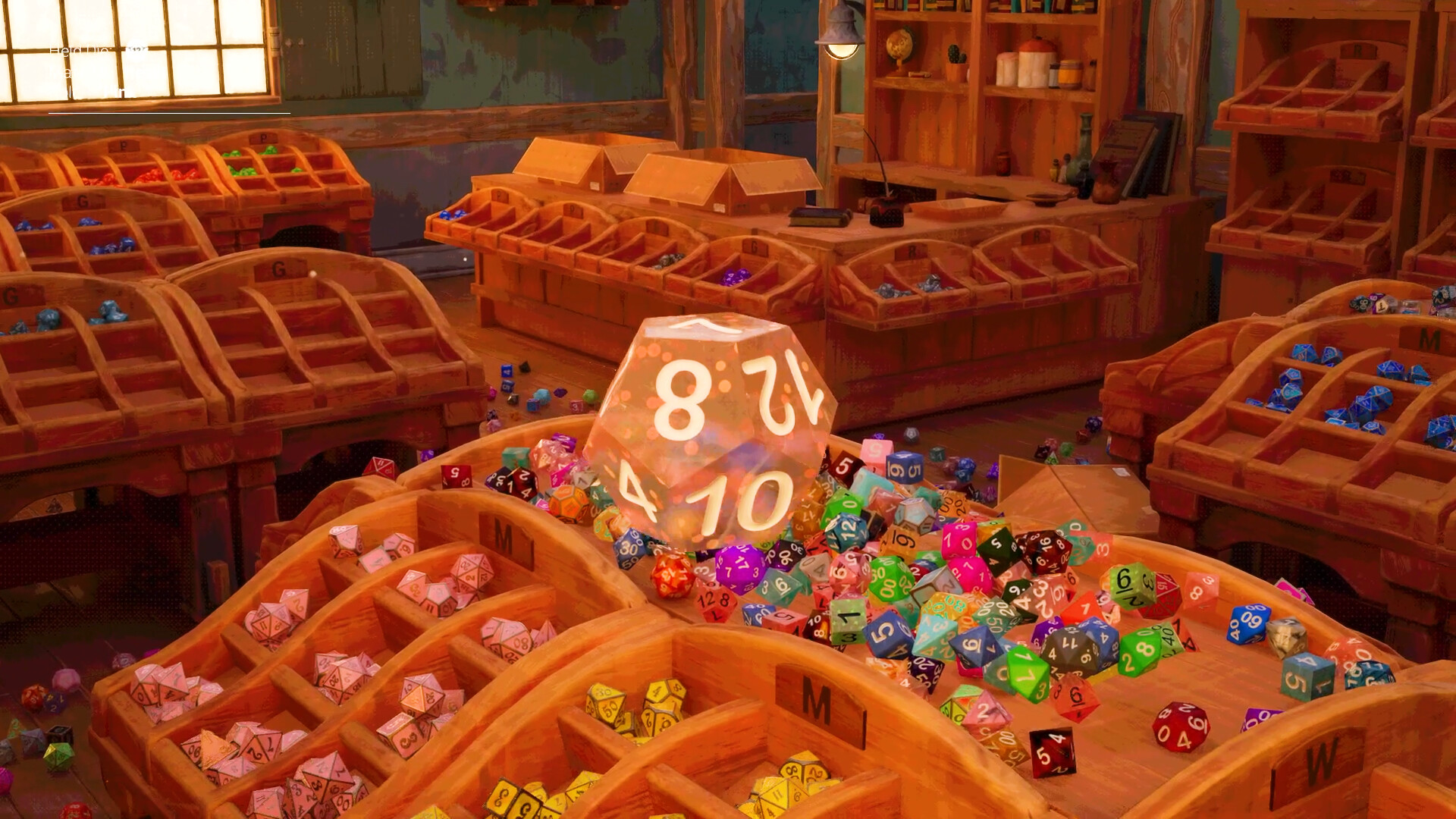
The value of a set does not come from having seven dice in a pile. It comes from the match. Two dice can share a colour and still be the wrong pair if their material differs, and a set assembled on colour alone will keep failing at the stock step until the finish agrees too. This is why experienced sorters work colour first, material second, and only then count pieces — the count is the last thing to verify, not the first.
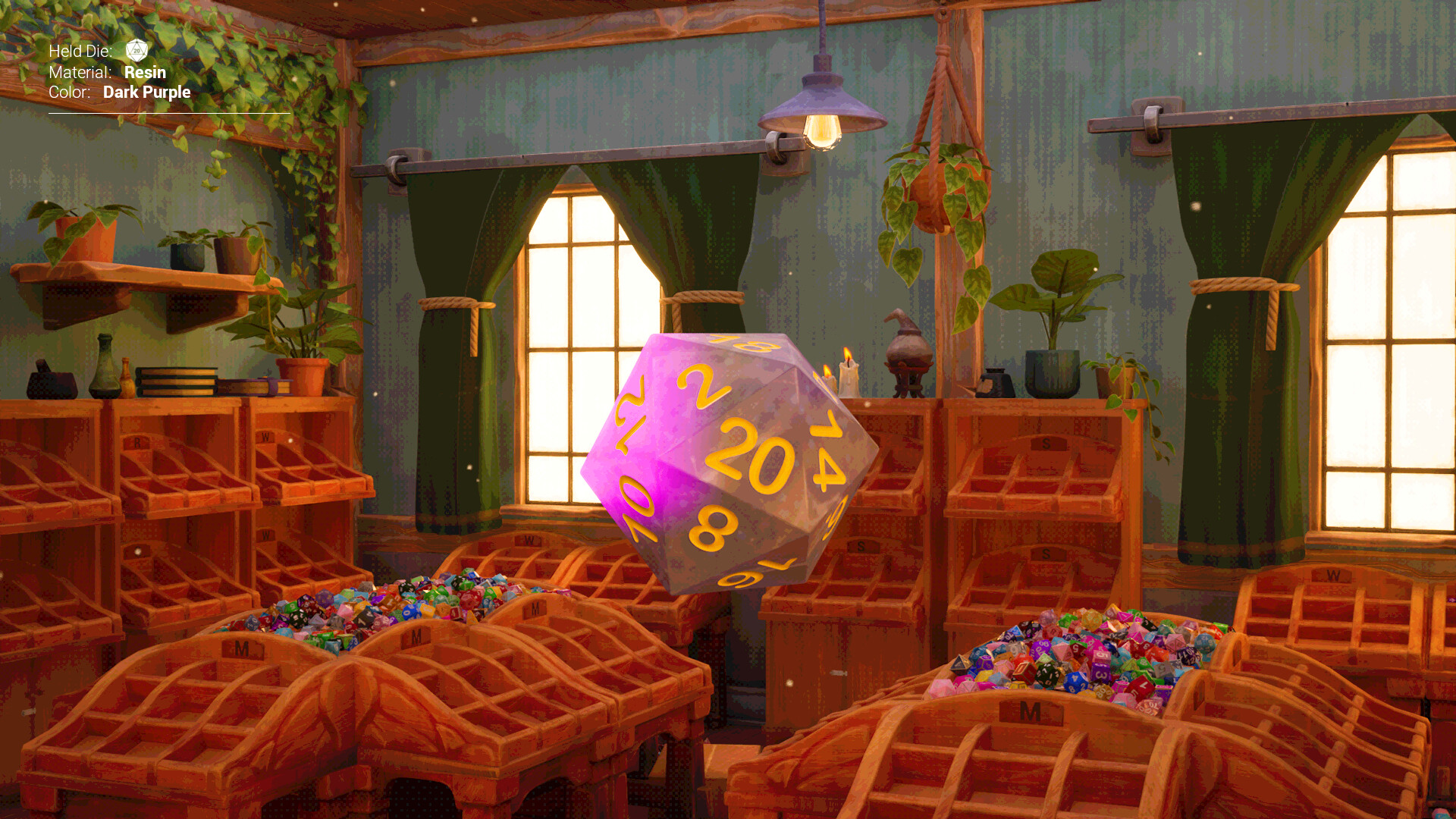
A good sorting habit is to treat the seven faces as a checklist. Scan a loose cluster for the big anchor pieces first, the percentile pair and the D20, because they define the set you are rebuilding. With the anchor found, the cube and the octahedron follow quickly, and the tetrahedron and dodecahedron confirm the set is real rather than a near-miss built from a neighbouring colourway.
Because the shop trades value rather than simply tidiness, a nearly complete set is worth less than a finished one. When you are short on shelf space, resist the urge to shelve a six-of-seven group just to clear the floor — it reads as progress, but it does not stock. Hold the set aside until the last piece turns up, or use the floppy-disk powers to track the missing die down.
How it fits the shop
This entry is part of the dice sets section of the guide. The building block of the whole shop. You rebuild 400+ of these seven-piece RPG sets: pick up each scatter, check its color and material, and bring one percentile plus a D4, a D6, a D8, a D10, a D12 and a D20 into a matching group, then stock it where it belongs. A D4 is four-sided, a D6 is six-sided, a D8 is eight-sided, a D10 is ten-sided, a D12 is twelve-sided and a D20 is twenty-sided.
The faces in a complete set
The Complete Seven-Piece Set belongs to a complete seven-piece RPG set. A full set once holds d%, d4, d6, d8, d10, d12, d20.
Where this comes from
Source · tier 1
“rebuild 400+ seven-piece dice sets.”
Source · tier 2
“Match dice by both colour and material to maximize their stock value.”
Source · tier 1
“Each set needs one of every classic polyhedral die: a percentile die, D4, D6, D8, D10, D12, and D20.”
Source · tier 2
“A traditional die is a cube with each of its six faces marked with a different number of dots from 1 to 6.”
Source · tier 2
“The percentile dice system is used to produce a uniform distribution of random percentages, with the two dice read as a number from 1 to 100.”
Verified 2026-11-09 · pre-release build — facts may change after launch.